

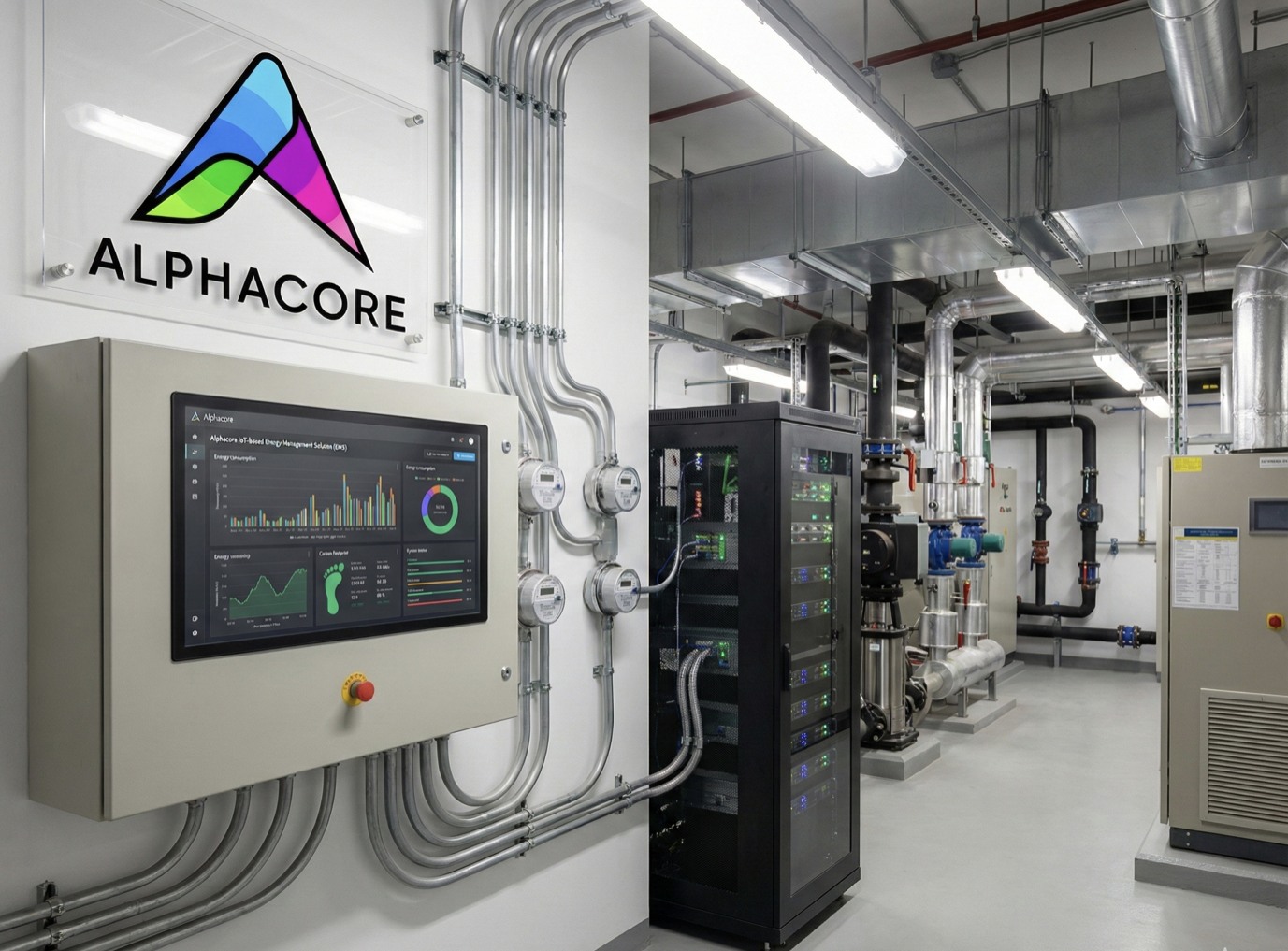
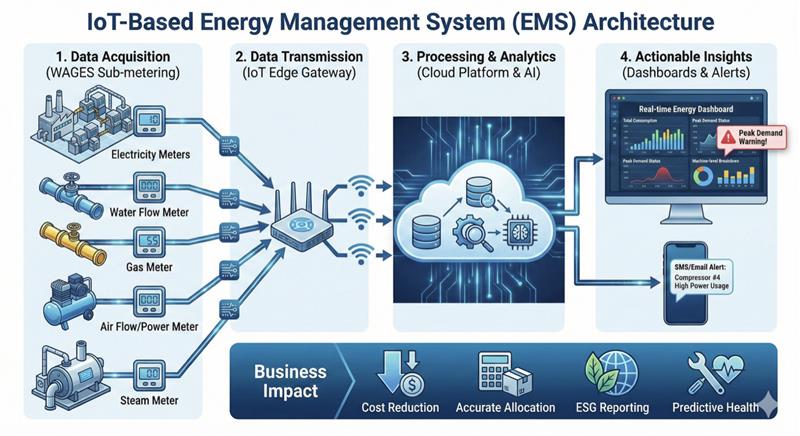
Tracking flow rates to detect hidden leaks, monitor cooling tower usage, and optimize wastewater treatment.
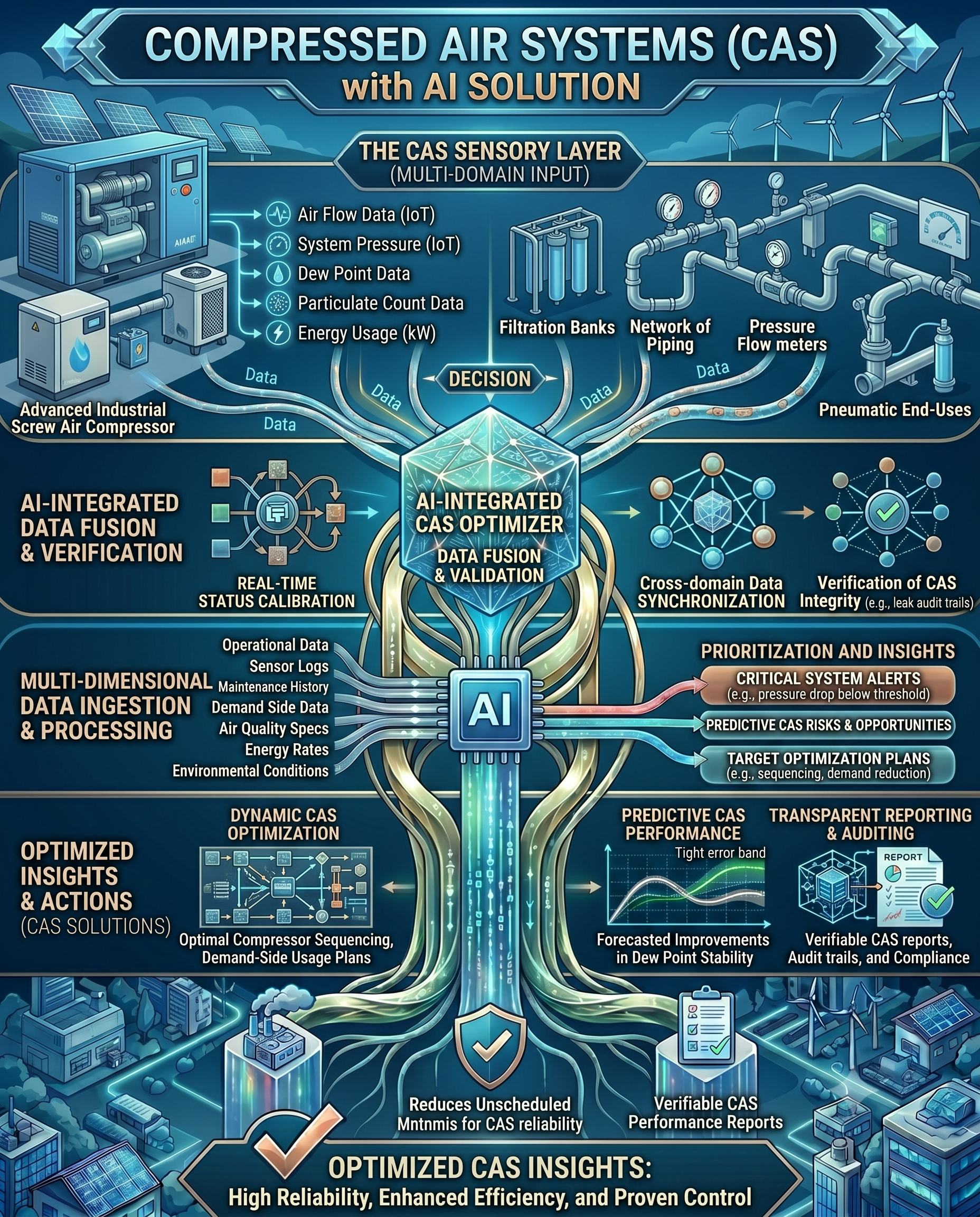
Compressed air is one of the most expensive industrial utilities. Monitoring compressor power against air output helps detect massive inefficiencies and system-wide leaks.
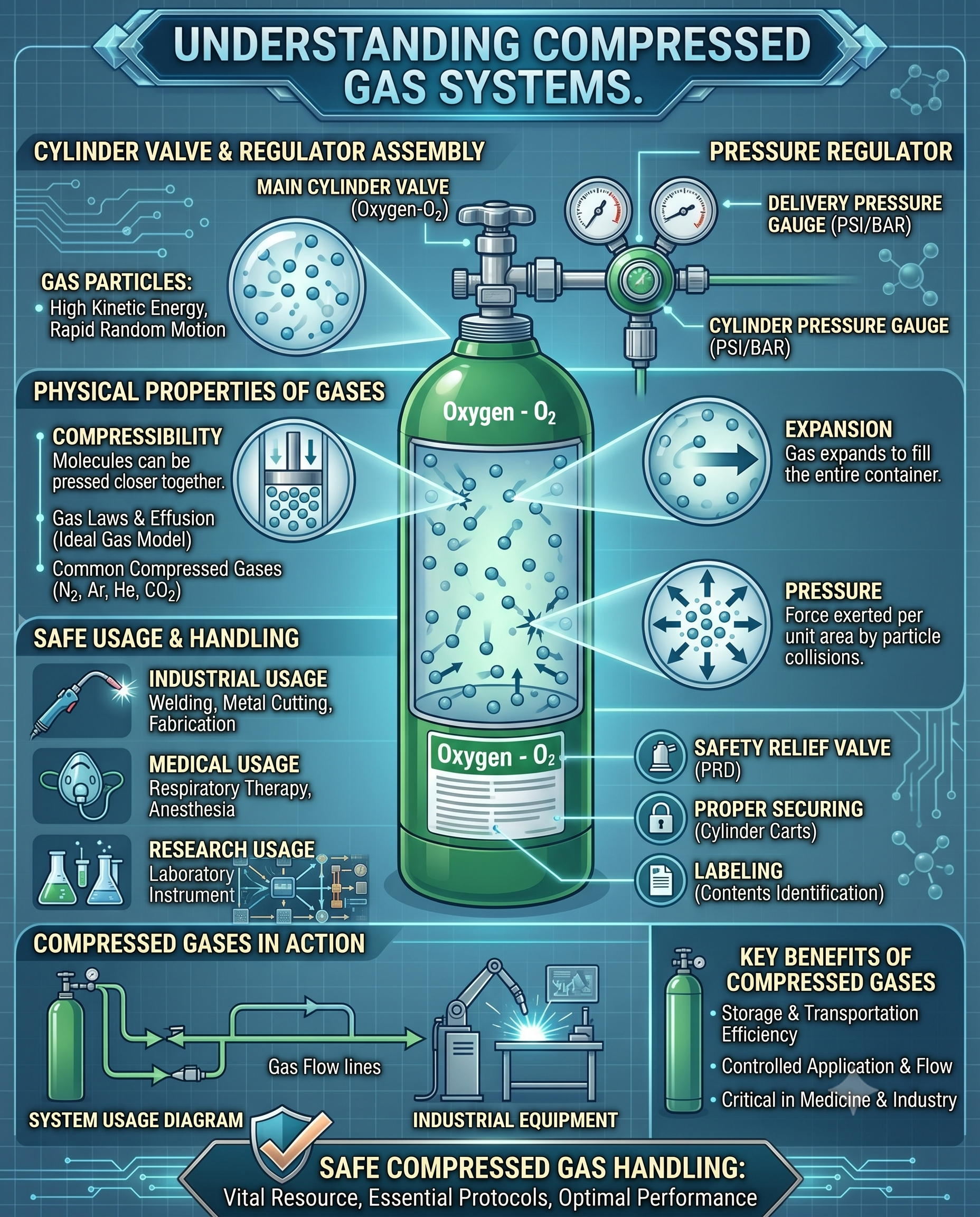
Monitoring natural gas or specialty gases used in boilers, ovens, and furnaces to optimize combustion efficiency.
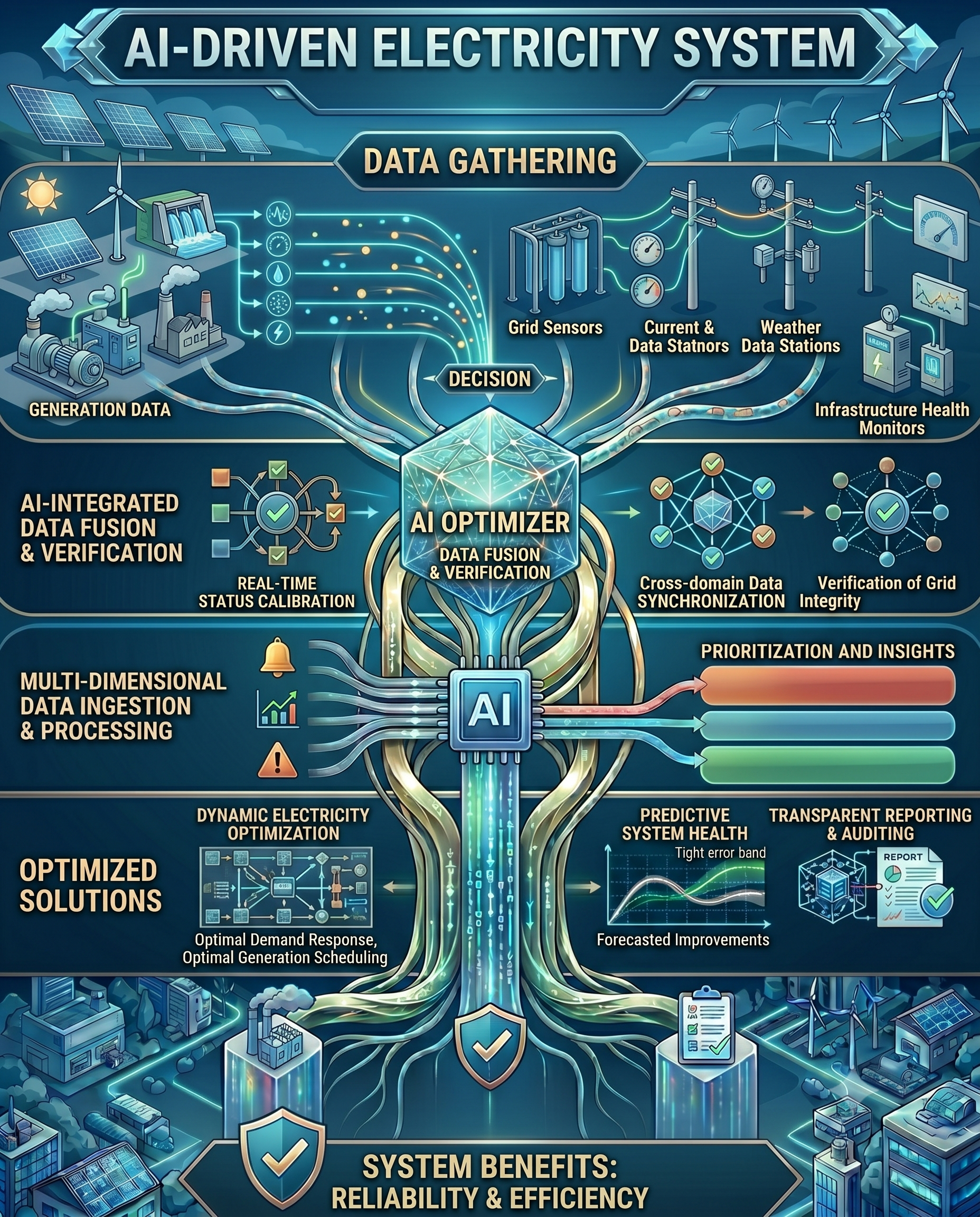
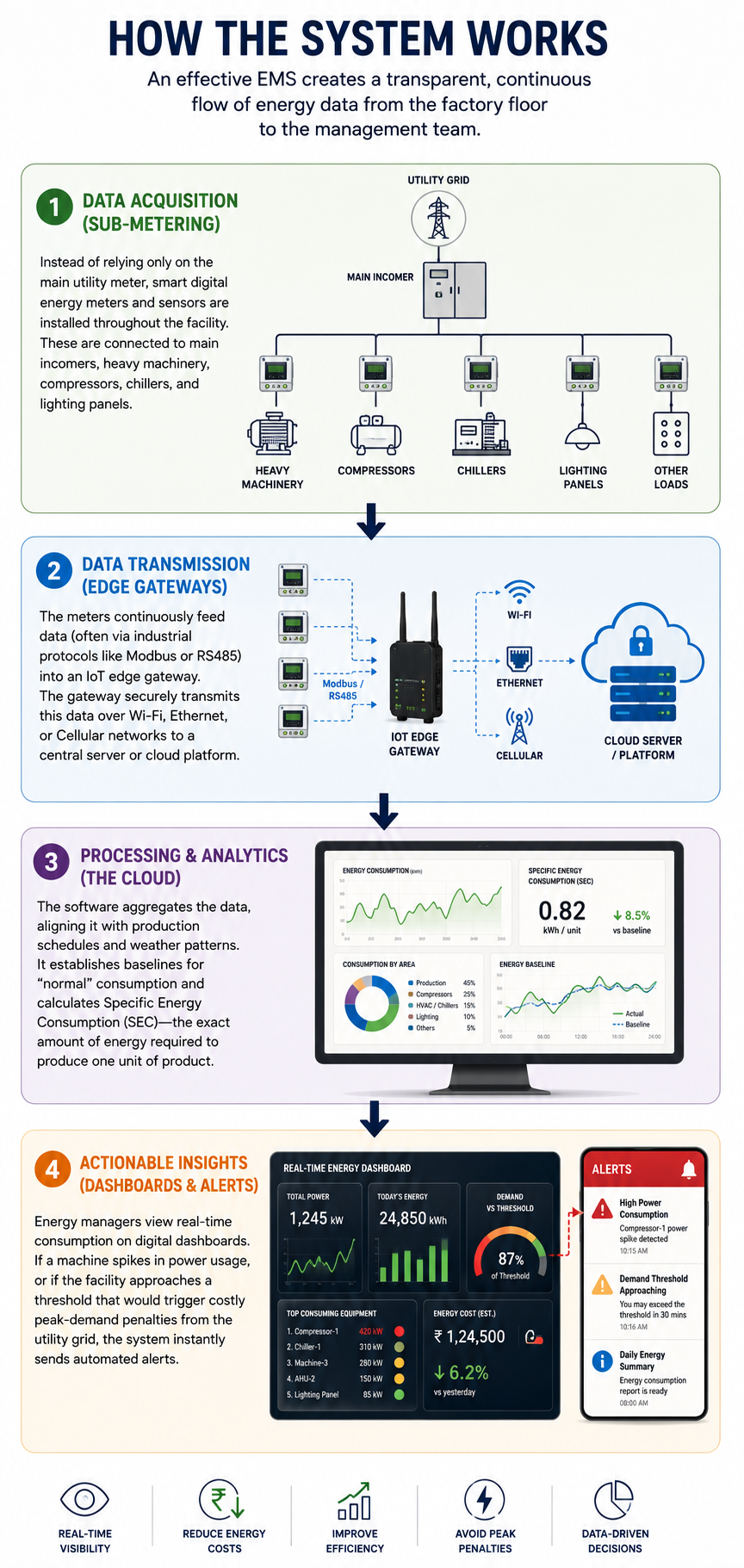
Granular tracking of Voltage, Current, Active/Reactive Power, Power Factor, and Peak Demand to eliminate penalties and phantom loads (power consumed when machines are supposedly off).
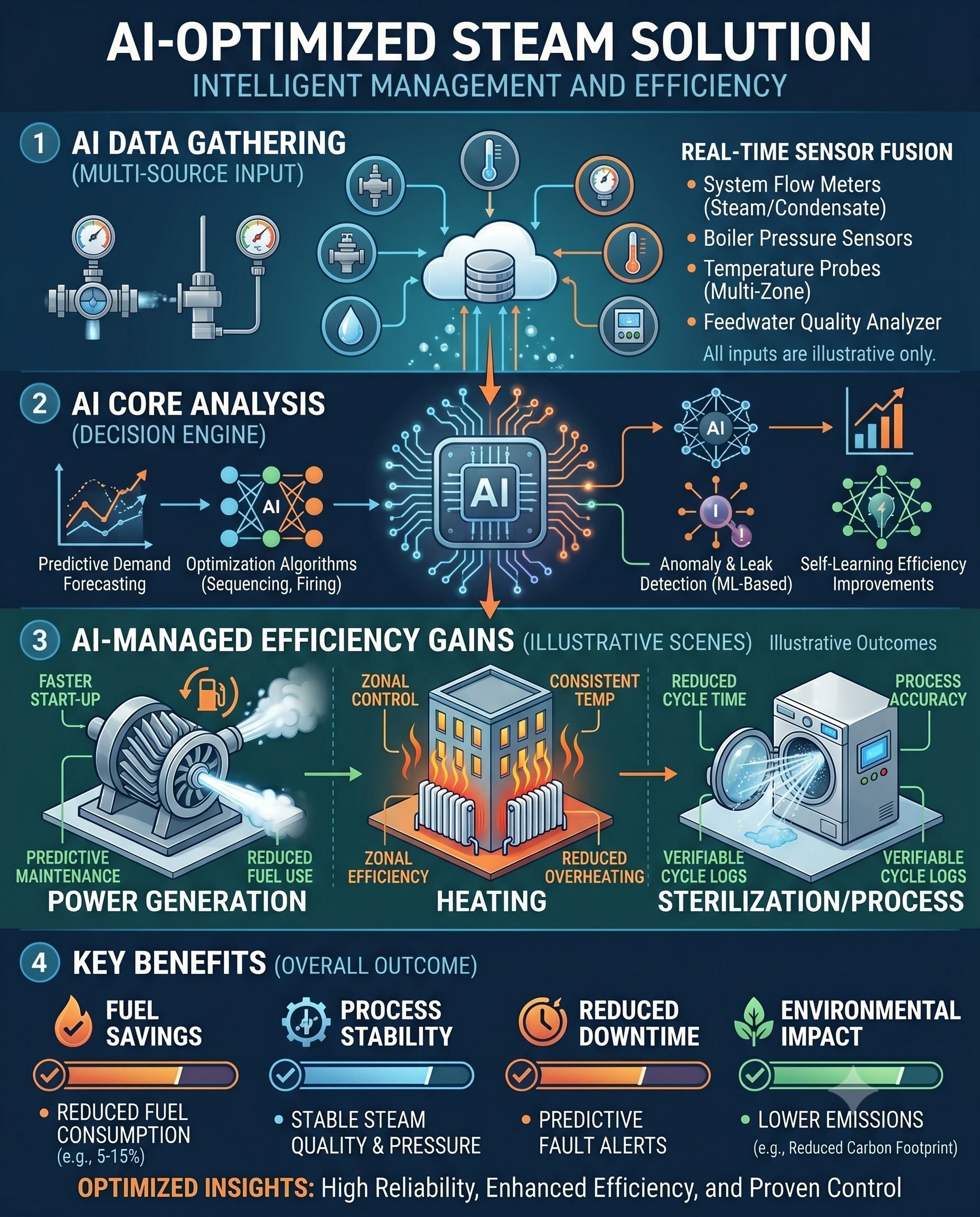
(As discussed previously) Monitoring generation at the boiler and distribution efficiency through the trap network.
Tracking flow rates to detect hidden leaks, monitor cooling tower usage, and optimize wastewater treatment.
Compressed air is one of the most expensive industrial utilities. Monitoring compressor power against air output helps detect massive inefficiencies and system-wide leaks.
Monitoring natural gas or specialty gases used in boilers, ovens, and furnaces to optimize combustion efficiency.
Granular tracking of Voltage, Current, Active/Reactive Power, Power Factor, and Peak Demand to eliminate penalties and phantom loads (power consumed when machines are supposedly off).
(As discussed previously) Monitoring generation at the boiler and distribution efficiency through the trap network.

Mumbai
Mumbai